
Did you eat a warm, juicy tomato from your garden this summer, only seconds after picking it? How many zucchini did you get from that plant you grew and tended all summer long? Are your cucumbers still going strong, even as the weather cools?
We hope your garden harvest was amazing but remember that it’s more than the fruit and vegetables, it’s also the seeds. Each seed that you save can grow into its own plant and feed you again next year. In one tomato, there are an average of 150 to 300 seeds. You could save the seeds from just one tomato and have way more than you and your neighbor need for next year.
We launched our Reed Seed Library in Spring and distributed a lot of seeds. As you close down the gardening season, think about saving seeds for next year – for yourself and to donate back to our seed library.
Pollination primer
Before you save seeds, you’ll need to know if your seeds will be true-to-type. In its simplest terms, will your seeds produce the exact same plant next year? This all depends on pollination.
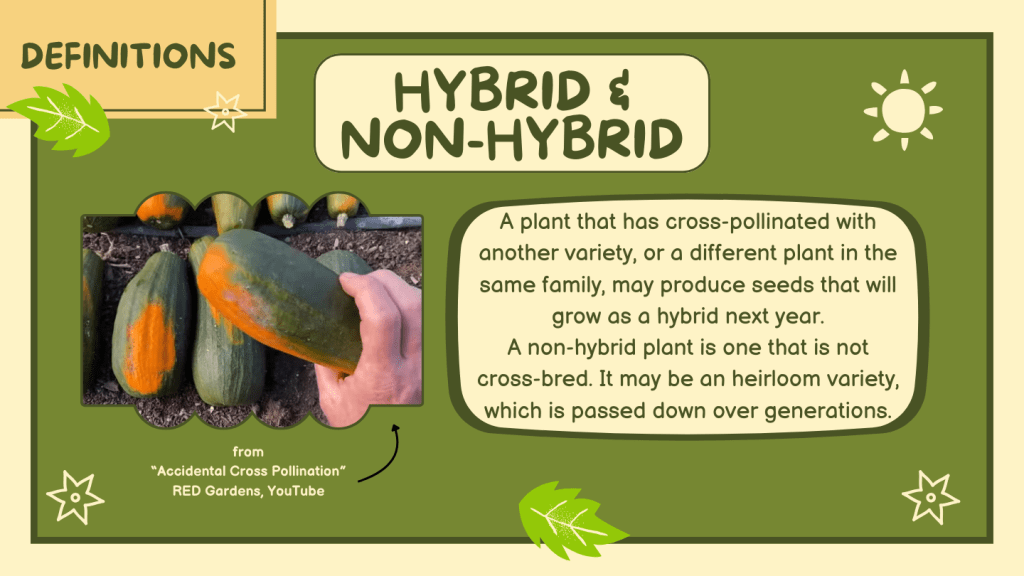
Some plants like tomatoes, peas, and beans are self-pollinators and will generally produce the same seed. Wind and insect-pollinated plants like squash, cucumbers, corn, and melons, are more likely to cross-pollinate unless you’ve taken precautions beforehand. If your plant cross-pollinates, the resulting seed will be a hybrid – a combination of both plants’ characteristics. A hybrid isn’t a bad plant, it’s just not the original. Don’t let the worries about cross pollination keep you from saving and donating your seeds. Those hybrid vegetables will still feed the family and taste amazing.
Harvesting seeds
It’s a little different for each plant but harvesting your seeds is not difficult. Your garden crops (and their seeds) will either be dry-fruited or wet fruited. Example: Beans are dry fruit. If you leave a few green beans on the vine, in time the pods will mature, dry out and do most of the work for you. Collecting those seeds will be as easy as picking some of the mature, nearly dry pods and bringing them inside for further drying and cleaning.
Tomatoes are wet fruited. To harvest those seeds, you need to cut apart the ripe fruit and extract seeds from the flesh and pulp before drying them. When you are harvesting any seed, the most important thing is to make sure your final seeds are dried properly. Wet and mold are your enemies.
We’ve just skimmed the surface of pollination and seed saving. If you’d like to dive deeper into these subjects, we have some books to help, so stop in. You can also check out these great resources below.
- https://howtosaveseeds.com detailed information on some specific plants, general germinating, planting and gardening information as well.
- Seed Savers Exchange has been saving and sharing seed and information with gardeners since 1975. Their website has loads of helpful information and if you want to dive deep into seed saving, this is the place to go.
- Right here in Portage County, we have an amazing resource with the OSU Extension Office. You can “Ask a Master Gardener” your outdoor plant questions right from their website. If you’ve caught the gardening bug, you can also dig into details on getting that Master Gardener designation for yourself.
I’ve saved my seed. How do I donate to the seed library?
The most important thing to remember is to make sure and label your donated seed properly, as in the illustration below. Then we can correctly file your seeds into the library.
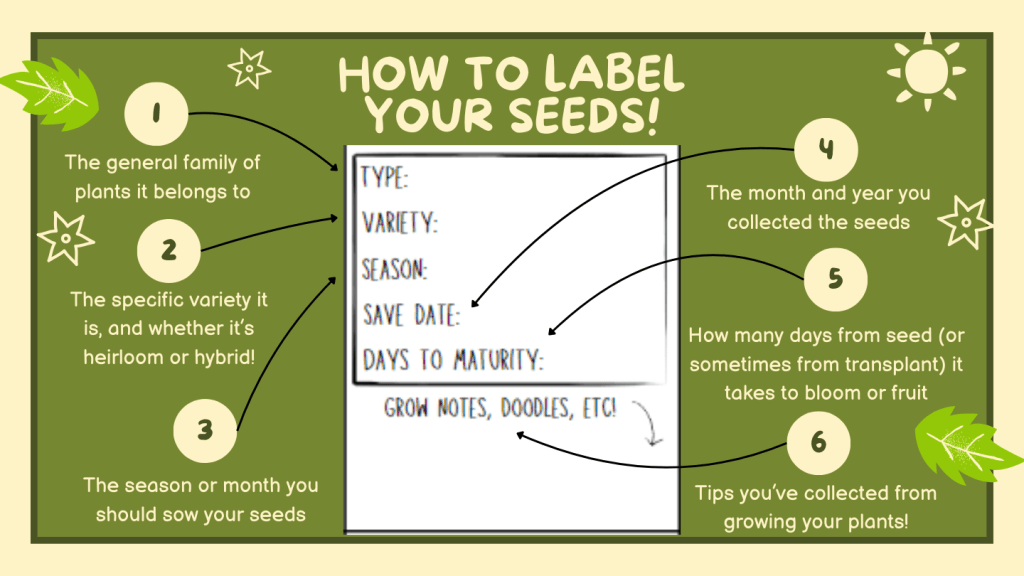
If you’d like to package your seed in our handy, labeled folding packet, stop by the second-floor desk and pick some up or download and print them yourself. Once your seeds are dried, labeled, and packaged, bring them back to our staff at the second-floor desk.
Our seed library’s inaugural year was fantastic. With your help, we hope to make it even better next year.
Did you grow anything using seed from the library this summer? What was your best crop?
 Sincerely, Cornelius