The Devil in Oxford: A Reed Reads! Book Rec

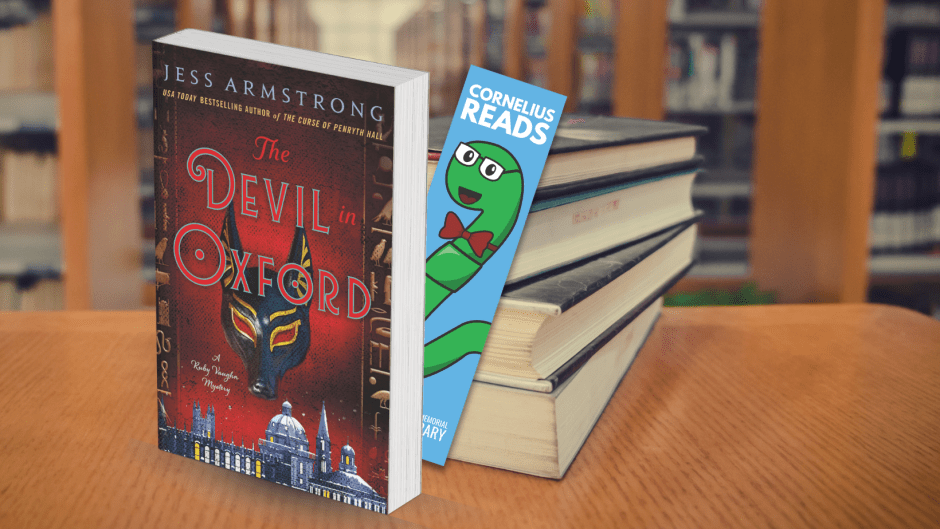
The Devil in Oxford by Jess Armstrong

Where to find this book at Reed Memorial Library:

With the impending snowstorm, just like you, I grabbed a few books off the shelves in case we got really snowed in. The snowstorm and this book did not disappoint. A solid historical mystery, The Devil in Oxford was a great weekend read.

Continue reading “The Devil in Oxford: A Reed Reads! Book Rec”

Times, (they) are a-changing

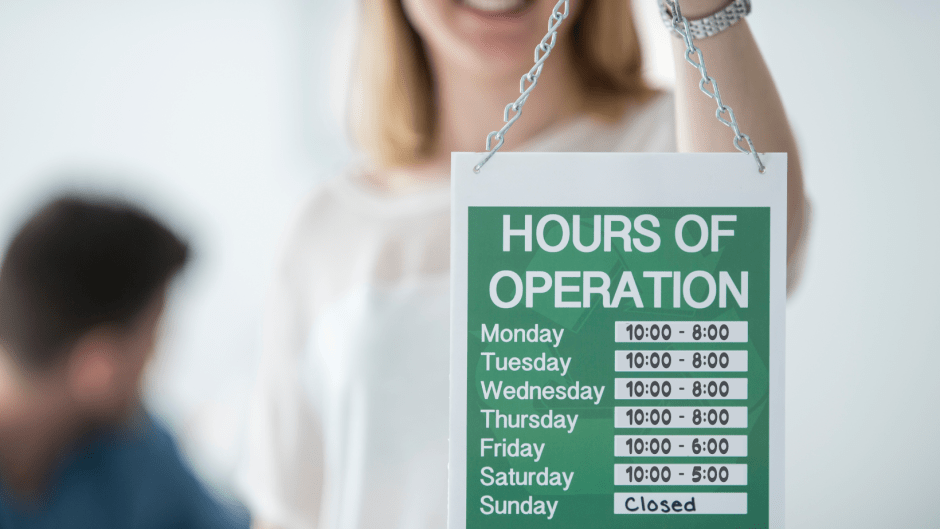
Beginning March 1, Reed Memorial Library will reduce operating hours. We’ll open a little later, close a little earlier, and be closed on Sunday. Keep reading to find out why.

Continue reading “Times, (they) are a-changing”

Where are my mysteries (and sci-fi and westerns)?

We’ve nearly completed a huge change to our adult fiction shelves. We shelved all of the genres together—mysteries, westerns, science fiction—that had previously been shelved separately. Why did we do this? And why did we do it when we knew it might upset some of you? Hang in there and read why.

Continue reading “Where are my mysteries (and sci-fi and westerns)?”

Reed Library Adjusts to Funding and Levy Changes

Ohio public libraries are facing a significant reduction in state funding for fiscal years 2026 and 2027 due to changes in the state budget bill (HB 96), signed into law by Governor DeWine in July 2025. Ohio’s fiscal year runs July to June—we are now operating in fiscal year 2026 and experiencing the loss of funds.

In this budget, the funding mechanism for the Public Library Fund (PLF) was changed from a guaranteed 1.7% of the state’s General Revenue Fund (GRF) to a fixed line-item appropriation. This change makes library funding vulnerable to budget cuts, eliminating the previous, stable, percentage-based system.

Ohio reduced the amount available for public libraries in fiscal year 2026 by more than $25 million. The new appropriation includes an annual transfer of over $10 million to support other library-related state entities like the State Library of Ohio and the Ohio Public Library Information Network, who previously received their own line-item appropriations. These transfers are made before funds are distributed to local public libraries, further reducing the net amount available to local systems like ours. Locally, Portage County library funds decreased by nearly $600 thousand and Reed Memorial Library has lost $200 thousand in the current fiscal year.

With these funding changes, state legislators have effectively shifted more financial responsibility to local communities and voters. In communities that value their library, you would suppose the funding changes would result in more effective local support. But proposed changes to local levy rules are expected to have a significant negative impact on public libraries, too.

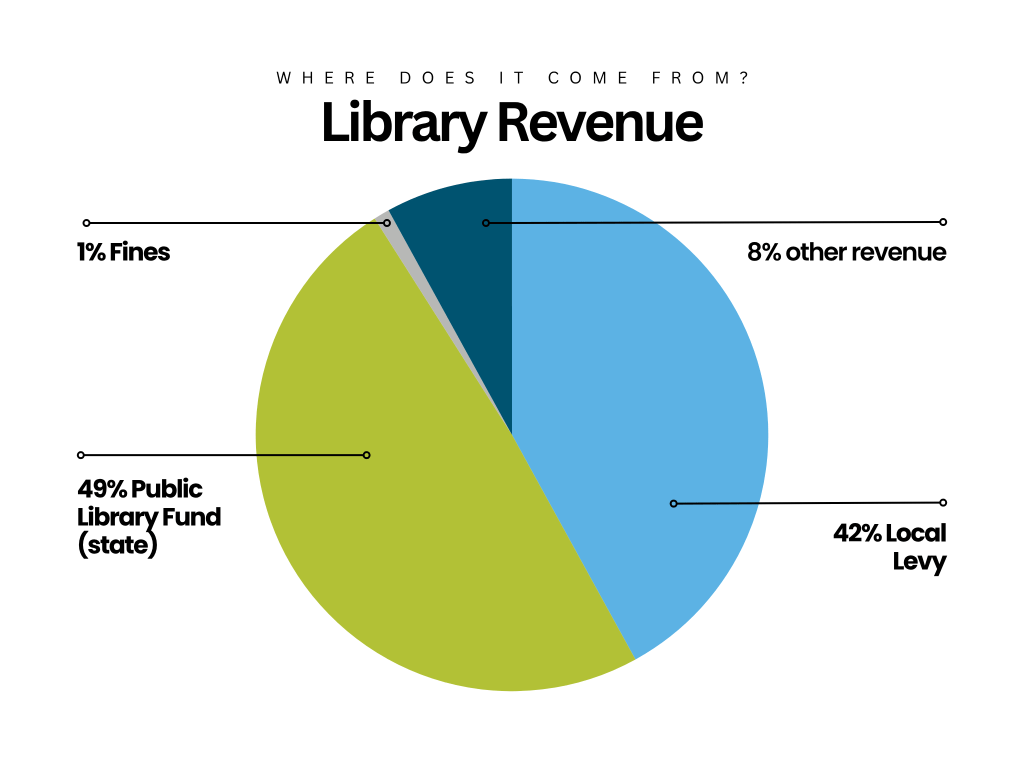
A bill currently in the Ohio House (HB 137, as of November 2025) would allow county or local taxing authorities to reject a library’s request to place an operating levy on the ballot. Previously, libraries had more autonomy in this process. This change means local elected officials could prevent voters from deciding on library funding issues, regardless of community support. Reed Memorial Library relies on a five-year renewable operating levy that accounts for another 43% of its annual budget.

As if denying levies isn’t enough, Ohio House Bills 309 and 335 (HB309/HB335) would grant full authority to the County Budget Commission to suspend, reduce, and question the need for all property tax revenue. This revenue includes inside millage, outside voted levies, emergency levies, bond levies, etc. In short, although local voters may vote and approve a levy, the state would give local commissions the power to reject that vote and decide that they won’t collect levy funds. Ohio is a local-control state, but the changes being proposed disenfranchise and undermine the rights of local voters in their own community. Furthermore, neither the County, nor any local taxing authority funds public libraries. Voters fund public libraries.

Most Ohio public libraries have only two major sources of revenue – state funding and local property tax levies. Changes to this funding structure will have a significant impact on the services that we provide. Libraries across the state are being forced to adjust their budgets and make difficult funding decisions.

Reed Memorial receives 49% of our annual operating budget from the state. We have responded to the state cuts by renegotiating contracted and subscription services and leaving vacant positions unfilled for now. Additional cuts may be needed in the future as we strive to maintain our current level of programming and library services. Further declines in funding could jeopardize vital services that our community relies on, although, we are doing everything in our power to make sure that does not happen.

Our Library is committed to the residents of the City of Ravenna, Ravenna Township, and the greater Portage County area. We will continue finding ways to cut costs where we can, planning for further changes and an uncertain future. We will also keep you updated on the progress of state and local funding changes and initiatives directly affecting libraries.

If you want to show your support for Ohio’s public libraries, please reach out to your local state representatives and let them know what your library means to you and the community. You can also support us by joining and/or contributing to the Reed Memorial Foundation and the Friends of Reed Memorial Library.

Borrow 16 million more items with your library card

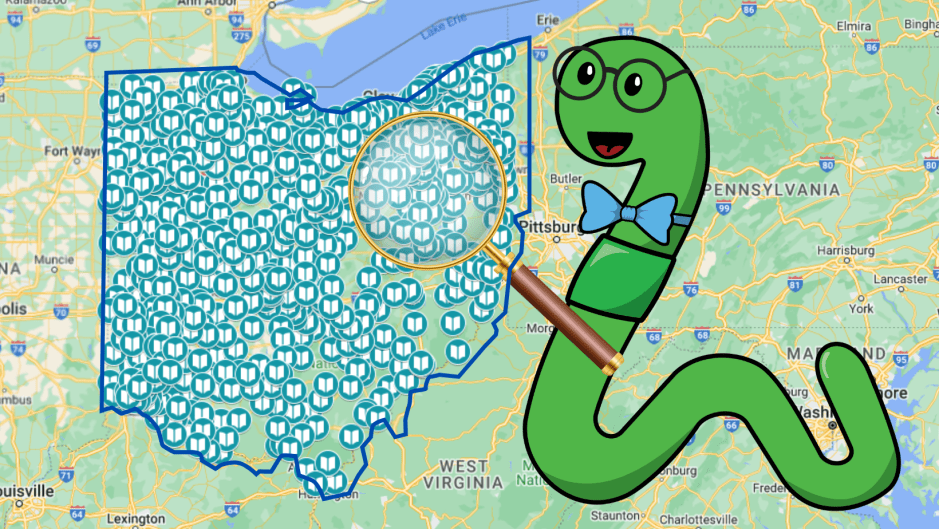
Did you know that with your library card, you have free access to over 16 million books, audiobooks, movies, and music from public libraries across the state? This borrowing magic happens through a service called SearchOhio. Did you know that SearchOhio will deliver the item you borrow from Dayton, Cincinnati, Lima, or wherever, here to RML at no cost? If you don’t know, keep reading to find out how it works.

Continue reading “Borrow 16 million more items with your library card”

It starts and ends with a little seed

Did you eat a warm, juicy tomato from your garden this summer, only seconds after picking it? How many zucchini did you get from that plant you grew and tended all summer long? Are your cucumbers still going strong, even as the weather cools?

We hope your garden harvest was amazing but remember that it’s more than the fruit and vegetables, it’s also the seeds. Each seed that you save can grow into its own plant and feed you again next year. In one tomato, there are an average of 150 to 300 seeds. You could save the seeds from just one tomato and have way more than you and your neighbor need for next year.

We launched our Reed Seed Library in Spring and distributed a lot of seeds. As you close down the gardening season, think about saving seeds for next year – for yourself and to donate back to our seed library.

Pollination primer

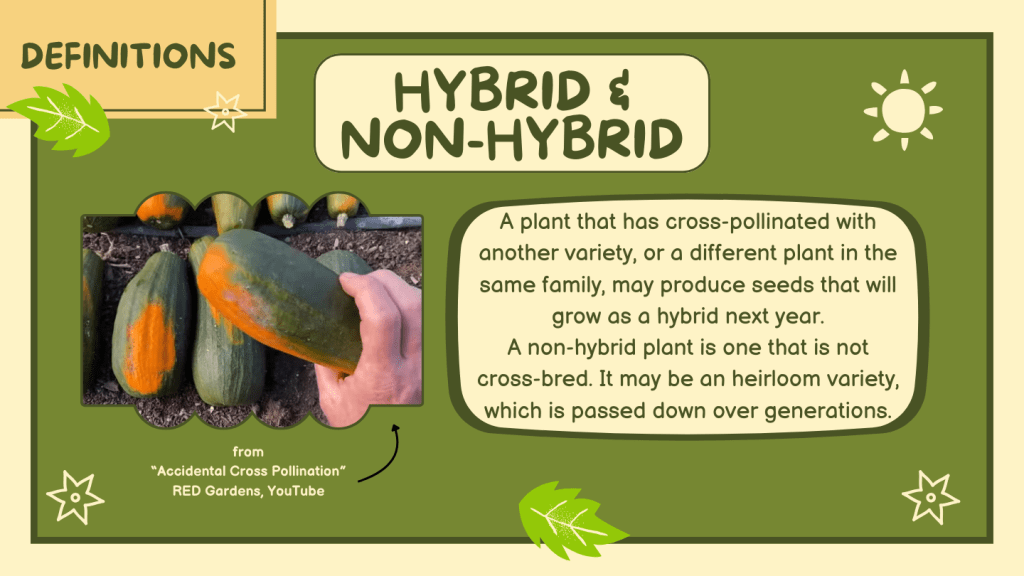
Before you save seeds, you’ll need to know if your seeds will be true-to-type. In its simplest terms, will your seeds produce the exact same plant next year? This all depends on pollination.

Some plants like tomatoes, peas, and beans are self-pollinators and will generally produce the same seed. Wind and insect-pollinated plants like squash, cucumbers, corn, and melons, are more likely to cross-pollinate unless you’ve taken precautions beforehand. If your plant cross-pollinates, the resulting seed will be a hybrid – a combination of both plants’ characteristics. A hybrid isn’t a bad plant, it’s just not the original. Don’t let the worries about cross pollination keep you from saving and donating your seeds. Those hybrid vegetables will still feed the family and taste amazing.

Harvesting seeds

It’s a little different for each plant but harvesting your seeds is not difficult. Your garden crops (and their seeds) will either be dry-fruited or wet fruited. Example: Beans are dry fruit. If you leave a few green beans on the vine, in time the pods will mature, dry out and do most of the work for you. Collecting those seeds will be as easy as picking some of the mature, nearly dry pods and bringing them inside for further drying and cleaning.

Tomatoes are wet fruited. To harvest those seeds, you need to cut apart the ripe fruit and extract seeds from the flesh and pulp before drying them. When you are harvesting any seed, the most important thing is to make sure your final seeds are dried properly. Wet and mold are your enemies.

We’ve just skimmed the surface of pollination and seed saving. If you’d like to dive deeper into these subjects, we have some books to help, so stop in. You can also check out these great resources below.

  • https://howtosaveseeds.com detailed information on some specific plants, general germinating, planting and gardening information as well. 
  • Seed Savers Exchange has been saving and sharing seed and information with gardeners since 1975. Their website has loads of helpful information and if you want to dive deep into seed saving, this is the place to go.
  • Right here in Portage County, we have an amazing resource with the OSU Extension Office. You can “Ask a Master Gardener” your outdoor plant questions right from their website. If you’ve caught the gardening bug, you can also dig into details on getting that Master Gardener designation for yourself.

I’ve saved my seed. How do I donate to the seed library?

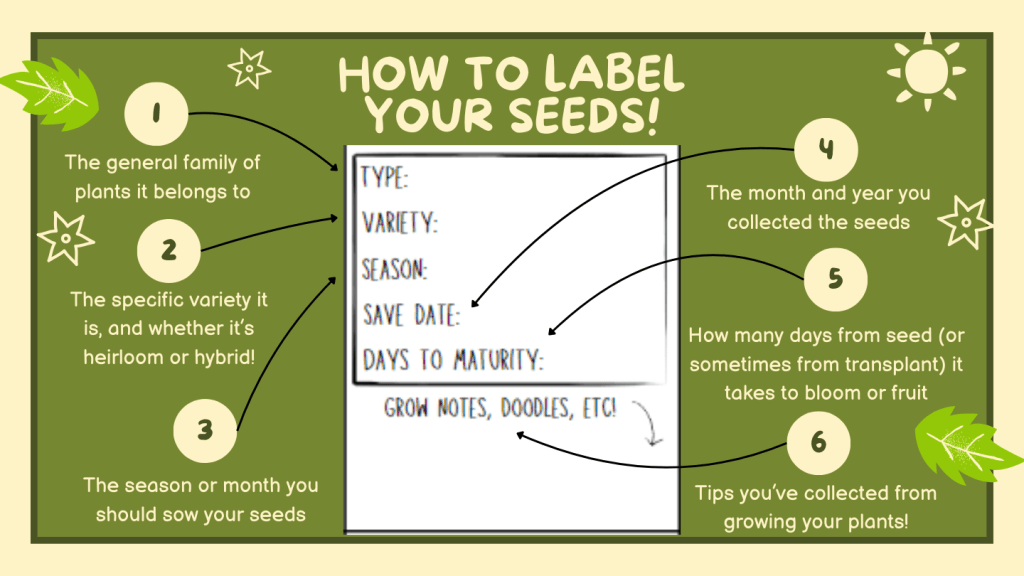
The most important thing to remember is to make sure and label your donated seed properly, as in the illustration below. Then we can correctly file your seeds into the library.

If you’d like to package your seed in our handy, labeled folding packet, stop by the second-floor desk and pick some up or download and print them yourself. Once your seeds are dried, labeled, and packaged, bring them back to our staff at the second-floor desk.

Our seed library’s inaugural year was fantastic. With your help, we hope to make it even better next year.

Did you grow anything using seed from the library this summer? What was your best crop?

Let Us Shower You

Are you a parent of a newborn? Expecting? Let us shower you with fun and freebies! This Saturday is our second annual Community Baby Shower and we hope you’ll drop in. It’s kind of like a traditional baby shower – food, games, fun – but this is for everyone and we bring in a group of really helpful guests that you’ll be glad to meet.

We all need a little help

We’ve brought together as many community partners as we can fit in the room and they’re all here for you and your new bundle of joy. Each partner has free resources, information and guidance to help you and your little one. From healthcare, to car seat safety, to literacy, these partners are focused on helping you parent successfully in all areas.

You can drop in anytime from 11 am through 12:30 pm. Have some refreshments, talk to experts, get freebies, gather some resources and contacts. Play a game if you’re up for it! Siblings are welcome, so don’t worry about a babysitter.

Who doesn’t like prizes?

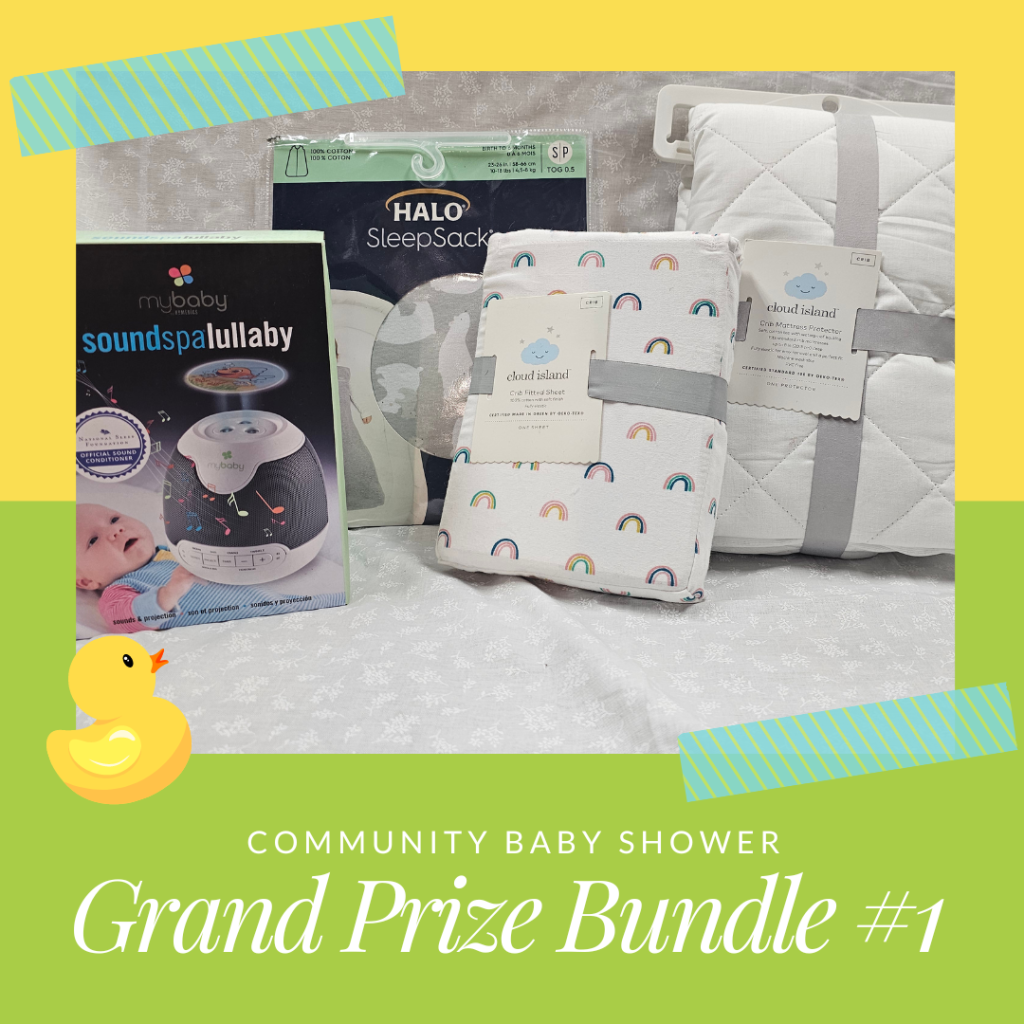
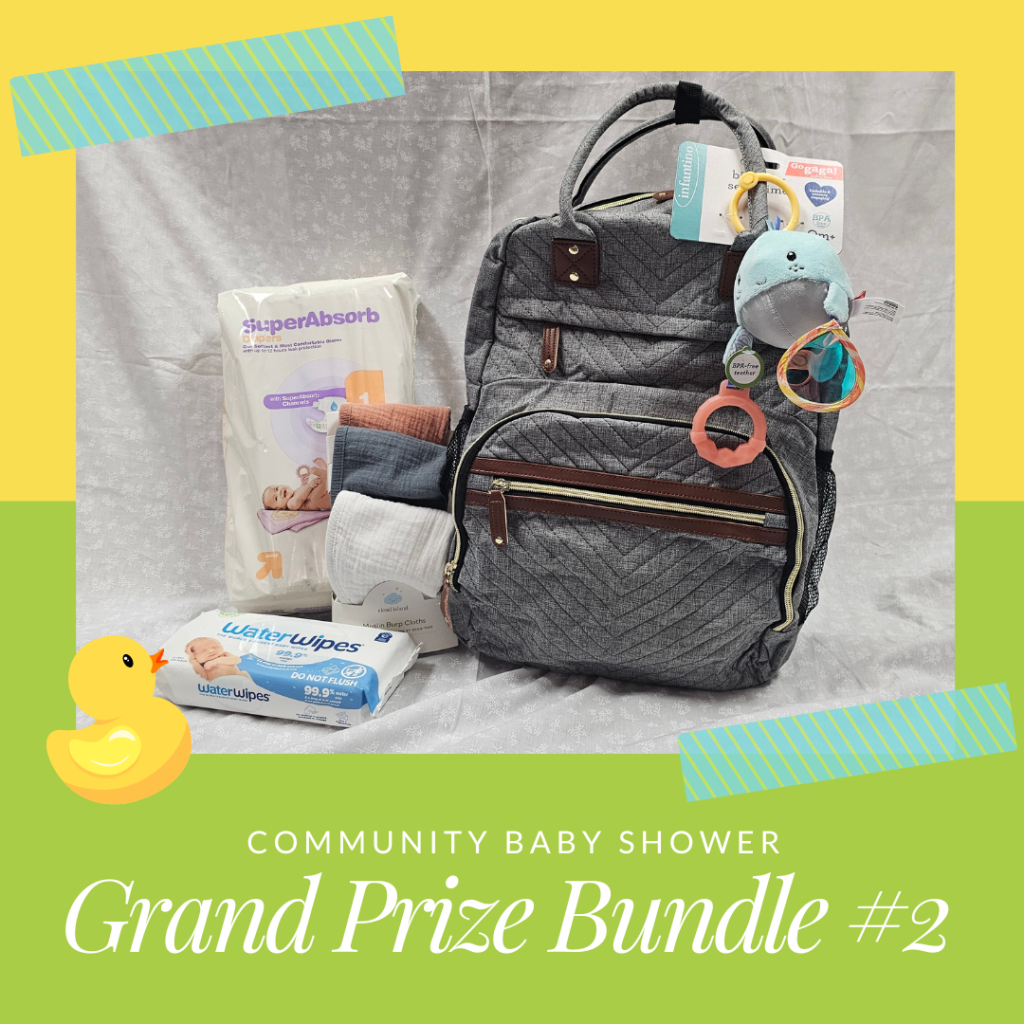
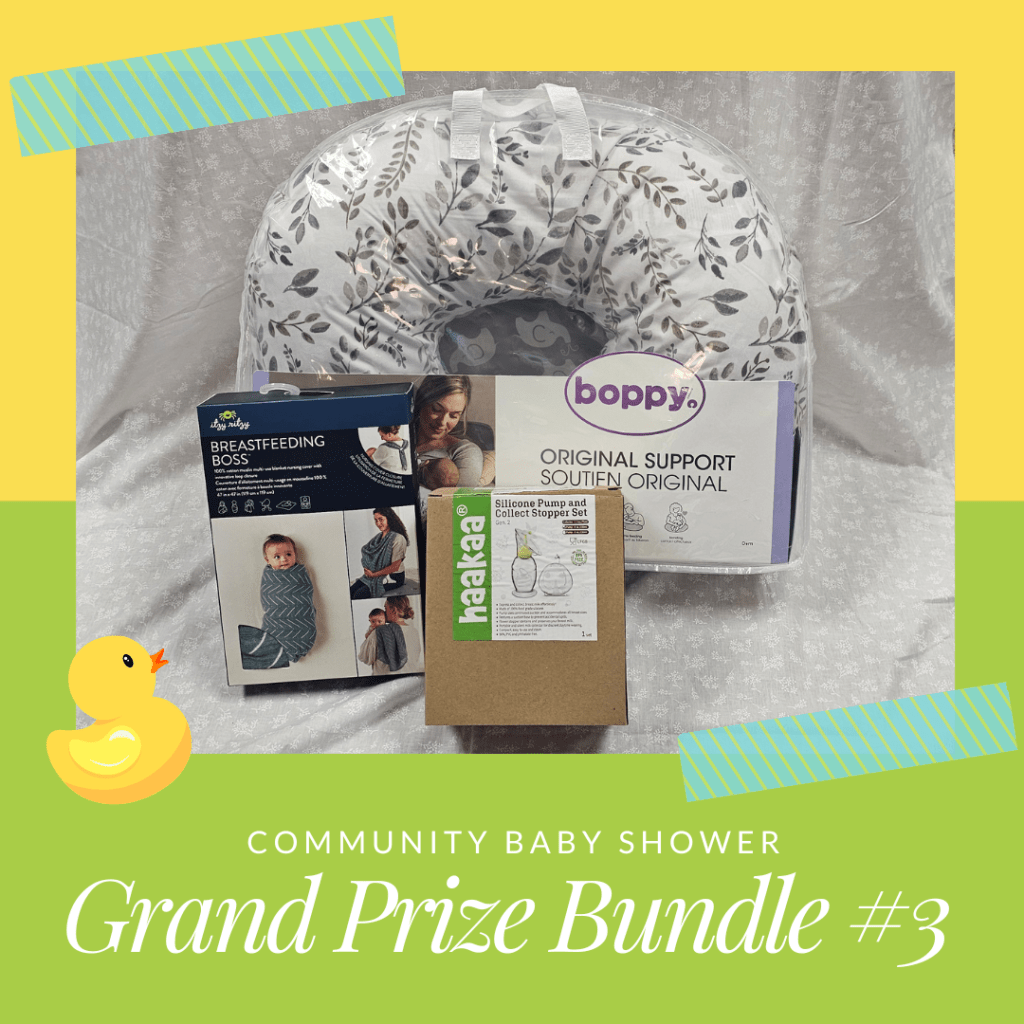
On top of the freebies, we have some great door prizes and three grand prize bundles that you can win. Anyone who attends is eligible for the grand prizes and If you play a game, you get an extra entry. We’ll draw the winners at the end and contact you, so you don’t have to hang around waiting for an announcement. These are the sweet prize bundles you could win. Which one could you use the most?

Our Community Baby Shower is a great opportunity to make connections with local partners who can help you navigate parenting. Drop in, have some fun, get some freebies, and find a solid connection to help that you probably didn’t know existed.  You’ll be glad you did.